In 2019 Jan-Willem build a binding order demo out of laser cut wood. In this post we would like to share the project with the rest of the world.
Binding order is the order in which the pins bind in a lock. This is mostly due to the manufacturing tolerances but can have other causes. This concept is hard to grasp for a new lockpicker and is one of those ‘You’ll get it when you see it’ concepts. When teaching lockpicking it is common to hear: ‘I have been pushing down this pin and it doesn’t want to stay down.’ This tool can be used to demonstrate why the pin did not want to stay put.
This demo is certainly not ’the’ solution. It is just a fair attempt that works for us. It will make the explanation better by adding both the visual and touch to the explanation. The participants can play with the board and feel the effect of binding and what the effect is of using light or strong tension.
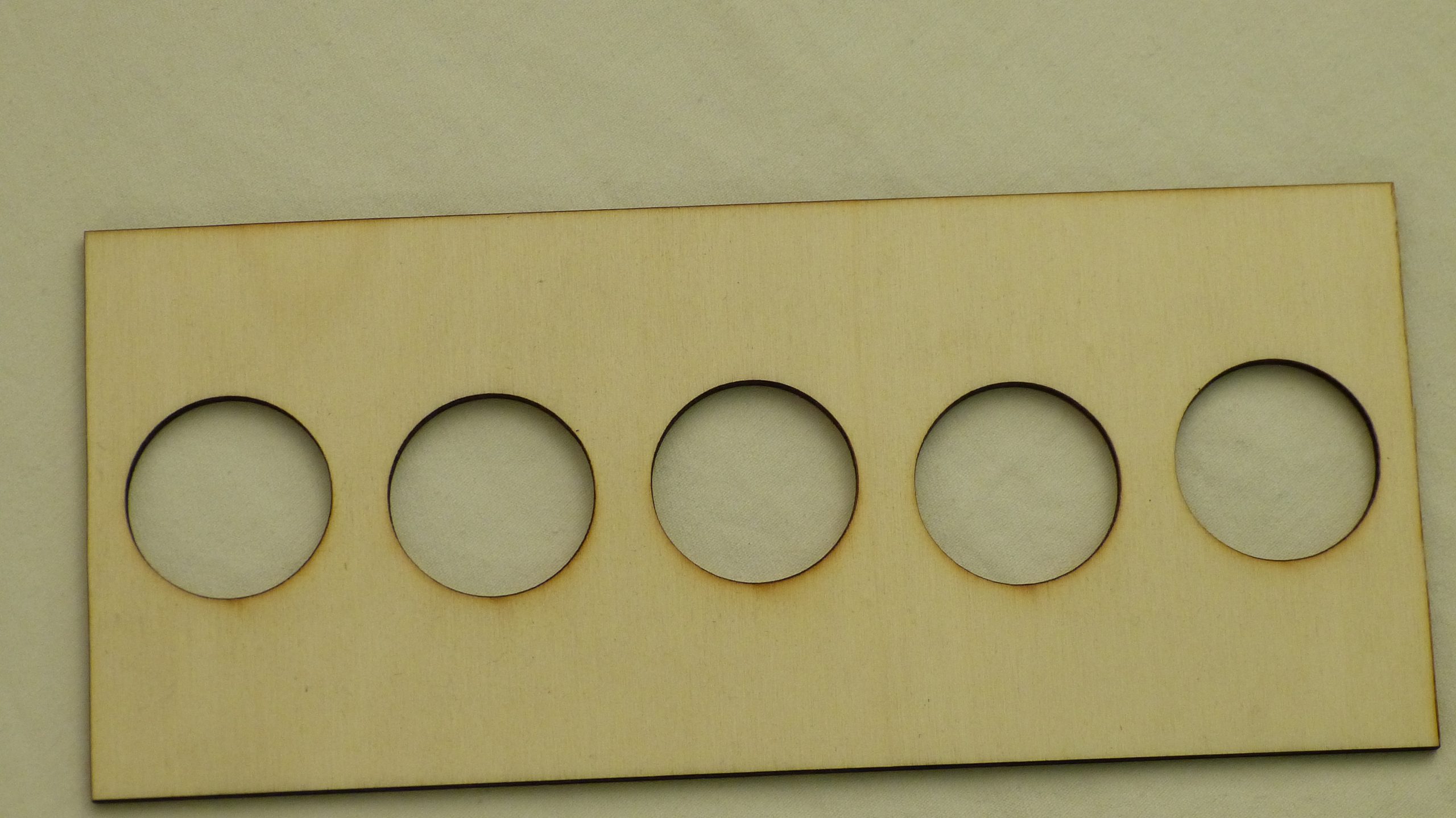
For reference: The board is about the size of an A4 piece of paper. The base is crafted from three layers of 3mm plywood. The core is a single sheet and the pins are three or four layers, depending on the feel you prefer. Each pinhole in the base/core has a different size and different offset. All of the pins are a different size er well. This gives plenty of options to change the binding order.
We used the demo in lockpicking villages across the globe. We have found that it helps the explanation immensely when encountering language barriers. Video link to how you can use the binding order demo: https://youtu.be/WiCdws84EuQ
The binding order in this model can be quite subtle. It would great to have another with extreme exaggerated binding order also a smaller, 3D printed version, would be great to have. A bit of paint will not hurt either.
Once in a while we find locks for sale in bulk. Either as a large bucket or just a pile of brass. Most of the times it’s not worth the time and effort. (sorting and cleaning takes loooong). While other times the deal is just too good to pass on.
We bought a batch last week: Sold as 70kg of recycling brass. Seemed alight as it was not too expensive and the locks looked clean. It was also clear from the pictures that there wasn’t much high security or ‘expensive’ locks in there.
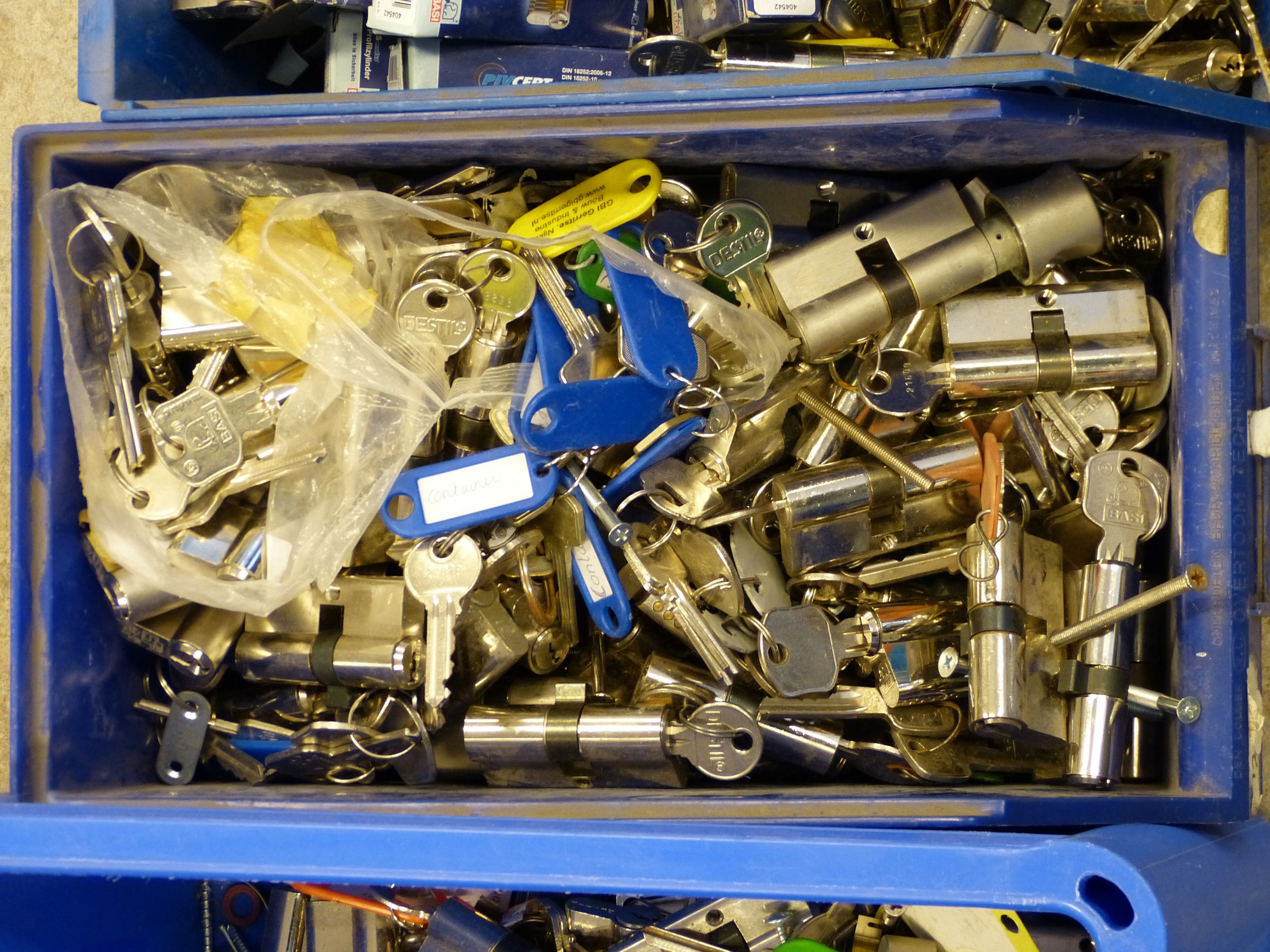
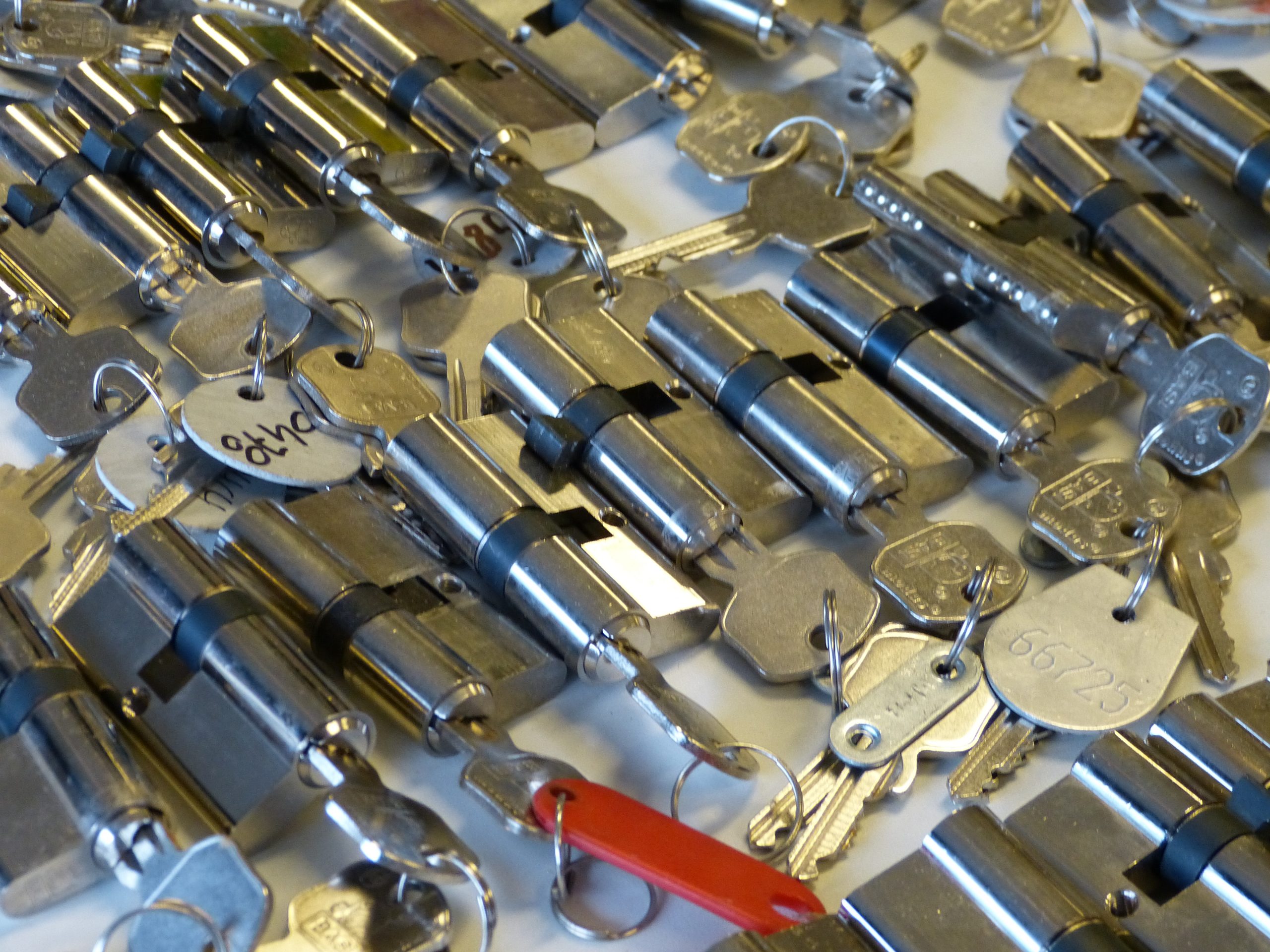
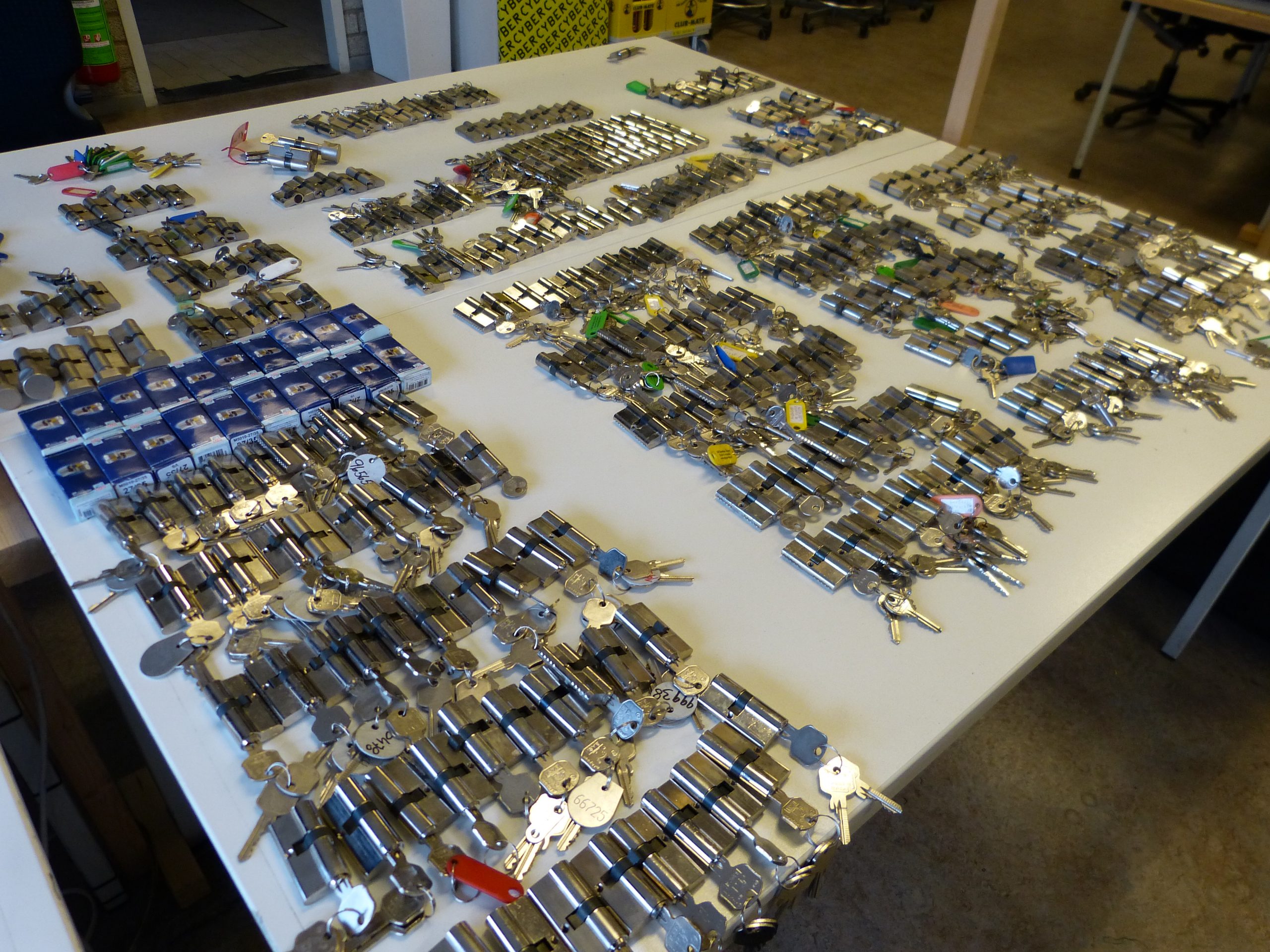
A few of these boxes/crates full of locks doesn’t look much until you need to carry them home.Nicely sorted Basi.All the locks!
In total it’s about 400 locks: 20% BASI, 20% MD, 40% DESTIL, 15% other (DOM, Corbin, Nemef, CES, S^2, etc etc.), and about 5% trash (tags, screws, actual trash). There are very few jewels in the box: Anker necoloc, DOM sigma, and a keyed alike Zi-ikon set with one key.
Most will be put to restocking the lockpicking village kits. The Basi will make very nice progressive locks. The Destil, however, are (re-branded?) Corbin locks and always a pain to pick. Therefore a lot less useful for teaching lockpicking. (Maybe keep a few for teaching humility or patience?). All other locks will be saved for the Dutch open at the next LockCon.
As always the picture of the bucket looked more promising than the outcome. However, the easy locks will come in very useful. It’s just not as fun as finding a EVVA MCS in the crap bin. Maybe there will be one in the next one…
A few weeks ago on twitter I read a tweet by Sophie and they were working on a safecracking simulator. I was intrigued and joined the conversation. Both to comment (and compliment) on the progress and add ideas for even more realism!
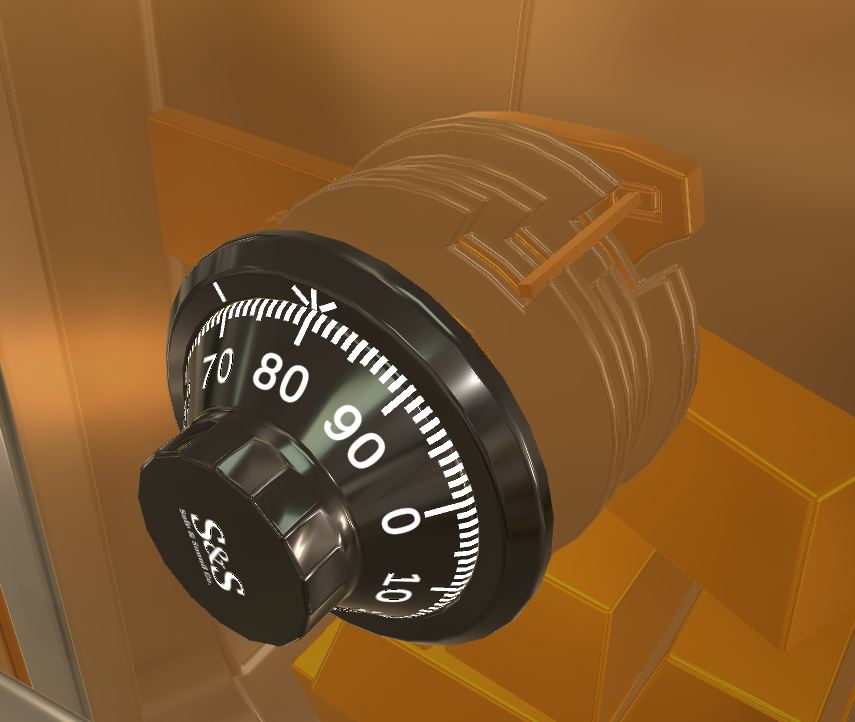
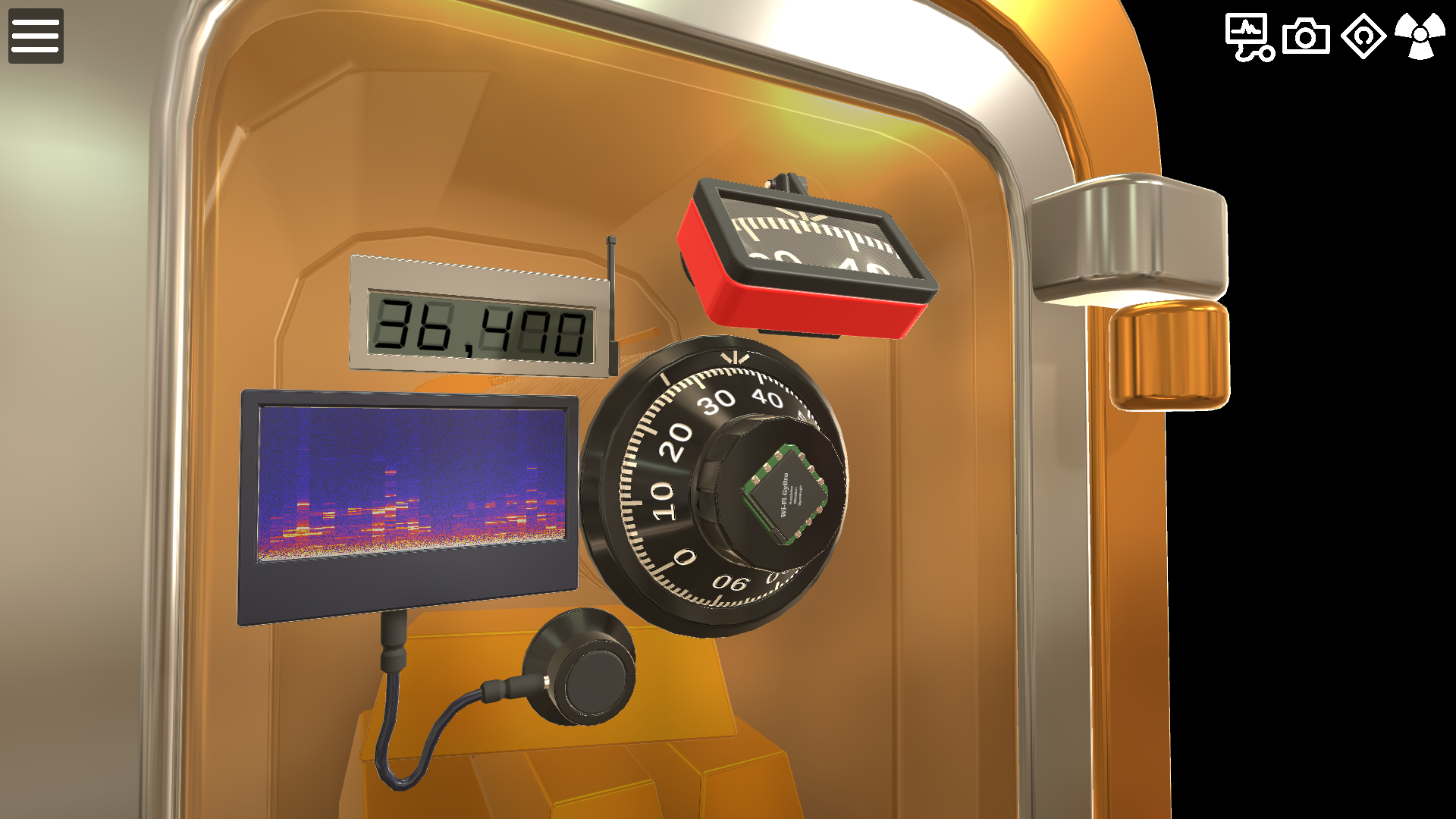
So what’s the game? They designed a safe lock simulator and the game is to crack the safe! The lock from the fictional brand Safe and Sound (S&S). It acts as an average group 2 safe lock with three wheels (4xCCW, 3xCW, 2x CCW, and 1x CW). You input the combination with your arrow keys: Left and right arrow for moving the dial and control/shift to control the dialing speed. The simulated lock works just as you might expect, you can feel and hear the contact points and you can manipulate and graph it just like any other group 2 safe lock.
Cracking a safe
I’ve bought the game as soon as it was available and spend a couple hours cracking my first virtual safe.
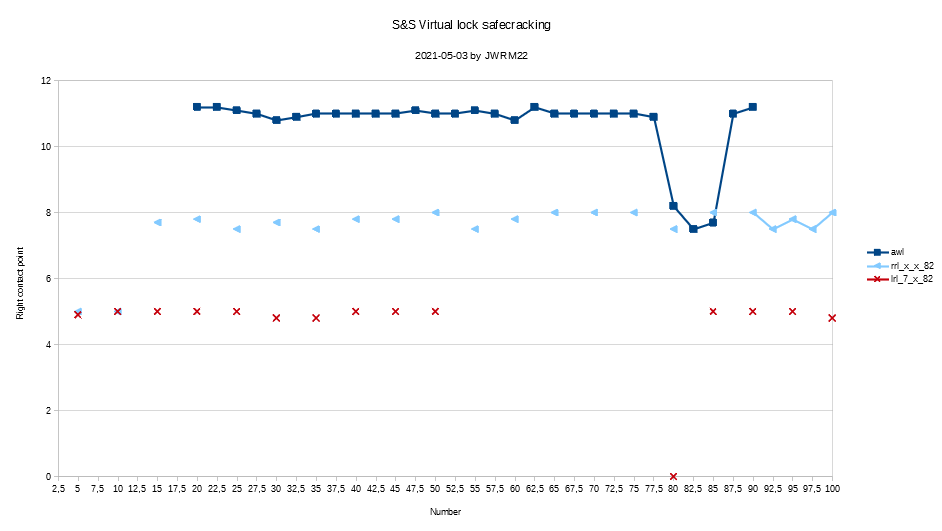
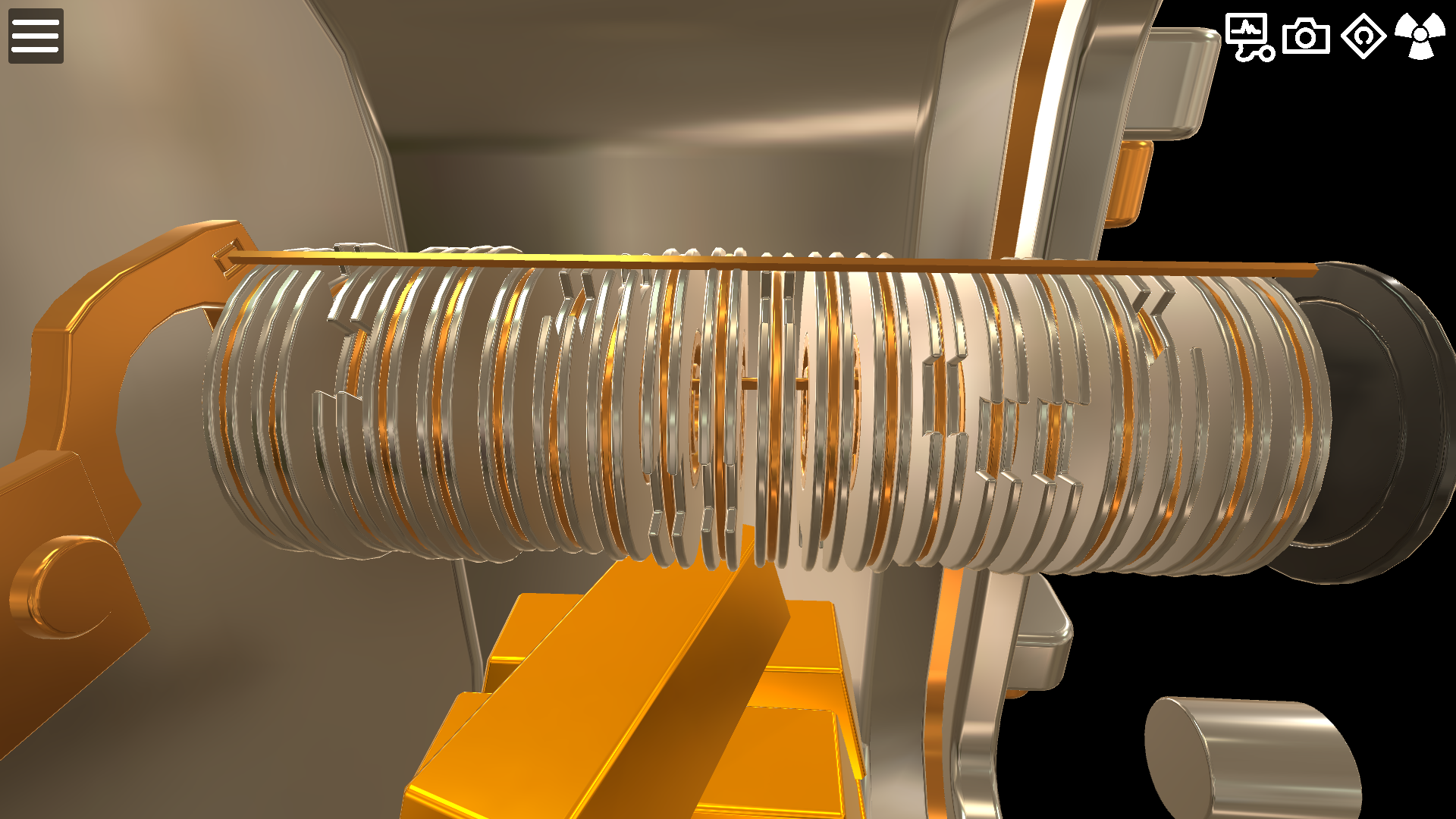
Cracked the safe with manipulation. The transparancy is on for the screenshot.Safe manipulation graph.
I like to start with getting a rough idea for the lock and do this by dialing all wheels left (AWL) with 20 number increments. I noticed the wheels are almost perfectly round requiring a full AWL graph and find one number at the time. I graphed AWL with 2,5 count increments and found the gate between 80 and 85. I set the number to 82 and tested the wheels. I found the number was on wheel three.
Then graphed W1 and W2 left and parked the W3 to 82 and graphed it with 5 count increment. Wheel one was at about 7. Figuring out what wheel it is was actually tricky as the simulated safe does not have flies and this means LRL is not the same as RLR for this lock. This also means you can find a number that’s impossible to dial without some calculating.
Lastly I graphed the last number 7-X-82 and found the combo 7-78-82. The dial stopped at 80 indicating I opened the lock. In the version I played it wasn’t possible to open the safe. I claimed being the first one to open the virtual safe on twitter shortly thereafter.
What else can the simulator so?
Once you have mastered the three wheel, why not try a twenty wheel lock? This lock will take 21 times right, 20 times left, 19 times… Or was it 21 times left, 20 times right. at what number was I again? In total it would take 231 moves to just open it with the combination. I can’t imagine how fun it would be to graph this one!
Not all hope is lost as the safecracker gets a handful of tools to simplify the process: Gyroscope angular measurement, camera to amplify vision, sound spectrum analyzer, and X-ray vision. You can also use advanced keyboard shortcuts to spin the dial exactly one rotation, simplifying the safecracking process.
Suggestions to Sophie
The project is very cool and certainly a functional game. These are a few suggestions for added realism:
I feel the current shape of the wheels is too perfectly round. Real life safe wheels are sometimes oval or egg shaped. They sometimes have an offset from the wheel center as well. This feature is only beneficial when the wheels are closer matched in size. Currently it’s very hard to find what wheel is the largest and thus the one you want to isolate.
As far as tolerances I think the game does very well. Yes, you can make it more tight but then you can easily make the safe impossible to manipulate. It’ll not be bad to have a setting you can play with to make the lock a lot harder.
Currently the safe does not have flies. It’s hard to explain what it is or how it works; It’s a small movable element that ensures you can dial two numbers on consecutive wheels to the same number. If it’s worth the effort for this extra realism, I won’t know.
Lastly there are a lot of ways you can go to with this project. As a simulator it works but it would be very cool to have a ‘spot the fault’ puzzle game. I.E. The combination is 10-20-30 and it only opens sometimes. Then the player could learn about failure modes like when fly is stuck or the wheel slipped. You can use the trouble shooting guide for a S&G as inspiration. In the PDF it starts at page 9.
Conclusion
The game is very much what I expected from it and it captures the nuances very well. I will certainly recommend it to people that are looking into safecracking. I will use the the simulator as training material as well. (Every participant buys their own copy.) I think it can be a very useful teaching tool.
I don’t think I would play much with the simulator myself, mostly as I have played with and have access to the real locks. The game captures the tediousness of safecracking very well and that’s amazingly impressive 🙂